If you've been following our journey, you know we're in the middle of preparing our blueberry plantation. Every week brings progress — but also challenges we didn't anticipate. And the challenge of the moment has one name: peat.
Why Peat Is So Important for Blueberries
Before we talk about the crisis, it's worth understanding why peat matters so much.
Blueberries are acidophilic plants — they need soil with a pH between 4.0 and 5.5 to grow healthy and produce quality fruit. Most agricultural land in Romania doesn't have this acidity naturally. The solution? Peat — an organic, acidic substrate that creates the perfect environment for blueberry roots.
It's not an optional ingredient. It's the foundation of the entire plantation. And that's exactly why peat represents the single largest cost in the entire investment for a blueberry plantation. We're talking about large volumes — tonnes of material per hectare — and the price per tonne makes the difference between a manageable budget and one that gives you serious pause.
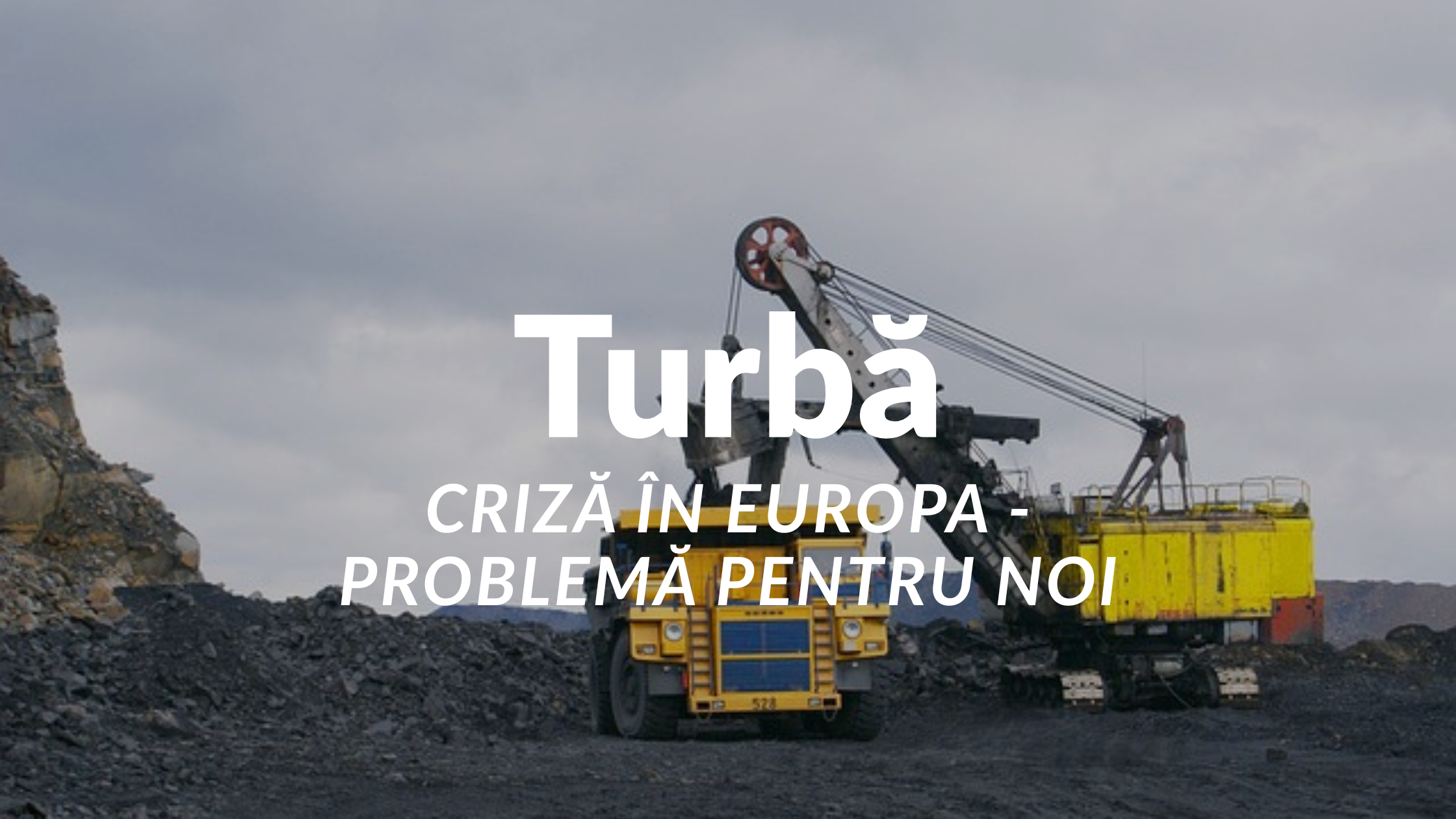
Peat Crisis in Europe: What's Happening and Why
This year, the European peat market is going through a difficult period. The main reason? Last year's exceptionally rainy season.
Peat is extracted from peatlands — wetland areas where organic matter has accumulated over thousands of years. The extraction process is heavily dependent on weather conditions: after extraction, peat needs to dry naturally, which requires sufficiently long periods of dry weather.
The heavy rainfall last season severely disrupted this cycle. Producers were unable to extract and dry their usual quantities, leading to reduced stocks across Europe. Demand has remained just as high — or even increased, driven by growing interest in blueberry cultivation and other acid-loving plants — but supply hasn't kept pace.
The result: higher prices, longer delivery times, and fierce competition among buyers.
Estonia: Europe's Largest Peat Supplier
You might not expect it, but the largest peat producer and exporter in Europe is Estonia. This small northern European country has some of the most extensive peatlands in the world and a well-established industry for extraction, processing, and export.
A large share of the peat used in agriculture, horticulture, and plantation projects across Europe comes from there. When Estonia has a poor extraction season — as happened last year due to the rains — the effect ripples through the entire European market.
In practical terms, if it rains too much in Estonia, peat prices go up in Romania too. We're more interconnected than it might seem.
We Found Peat in Romania — But Transport Is a Challenge
The good news is that we managed to identify a peat supplier in the Suceava region, at an acceptable price. Romania has its own peat resources, and finding a local source gave us reason for optimism.
The less good news? Transport is a real challenge. The distance between Suceava and our area in western Romania is significant, and peat is a bulky, heavy material. Shipping costs can add a substantial amount to the final price, which forces us to calculate very carefully whether the local option remains competitive compared to imports from Estonia or other European sources.
We're working on optimising the logistics — analysing transport options, minimum quantities per shipment, and the possibility of negotiating better rates for larger volumes. It's a puzzle we're still solving.
What We're Doing in the Meantime
Peat is priority number one, but we're not standing still with the rest of the preparations. In parallel, we're actively working on obtaining quotes for:
Irrigation and plant nutrition system. It's not just about getting water to the roots — the system also needs to include fertigation, meaning the ability to deliver nutrients directly through drip irrigation. A well-designed system from the start saves money and headaches in the long run.
Perimeter fencing. Protecting the plantation remains a priority. We're waiting for final quotes to fence the entire property.
Other essential components. From materials for raised beds to anti-weed fabric to monitoring systems — the list is long, but we're working through it methodically, item by item.
What We've Learned from All of This
If we had to draw one conclusion from the past few weeks, it would be this: in a blueberry plantation, peat is king of costs, and the peat market is just as unpredictable as the weather.
You can't control the rain in Estonia. You can't control international prices. But you can educate yourself, search for local alternatives, negotiate, and plan with safety margins.
That's exactly what we're doing. Step by step, with patience and open eyes.
We'll be back with a concrete cost update once we've consolidated all our quotes. In the meantime, if you're in the same situation or have experience with peat suppliers, we'd love to hear from you.
Stay with us — follow the full journey at afineromania.ro and subscribe to our newsletter.